What Is Slang? Meaning, Examples, And Popular Slang Terms
Slang changes constantly, reflecting the world around us. It’s a window into culture and identity. Understanding what is slang meaning can help you connect better with others, especially younger generations.
In this article, we will explore the meaning of slang, share some popular examples, and highlight terms you might hear every day. Get ready to expand your vocabulary and stay current in conversations!
What is Slang?
Slang adds a lively twist to everyday language. It’s informal and often specific to certain groups, communities, or times. People express identity and connect with others by using it. Teenagers might use phrases that sound unusual to adults but feel natural and exciting to them.

Slang can evolve quickly, reflecting cultural shifts and trends. Words can change meaning over time, taking on new contexts and uses. For example, a term that once described something cool might eventually signify something outdated.
What is Texting Slang?
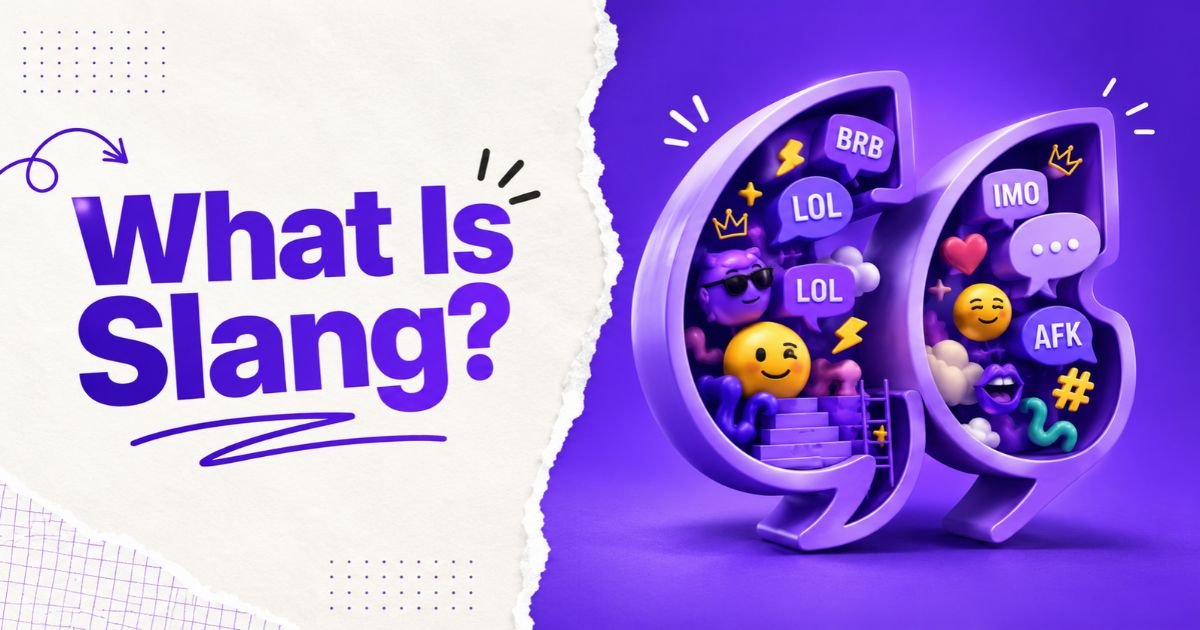
It is a quick way to communicate using short forms and abbreviations. People use letters and symbols to express thoughts fast. For example, “lol” means laughing out loud, and “brb” stands for be right back. This style saves time and keeps conversations flowing.
The evolution of texting slang reflects how technology shapes language. Today’s younger generation thrives on this informal communication, using it to connect more spontaneously.
What is Internet Slang?
Internet slang represents a unique language that evolves rapidly in digital spaces. It combines abbreviations, emojis, and playful phrases, allowing users to communicate quickly and effectively.

Terms like BFF create a sense of community, making conversations feel more casual and relatable. These expressions often carry emotions that standard language can’t always convey, giving depth to online interactions.
What is Gen Z Slang?
It reflects the unique experiences and values of today’s youth. It often combines humor, creativity, and a touch of irony. Words like “cap” and “no cap” illustrate this generational twist. “Cap” means a lie, while “no cap” signals honesty.
Social media plays a huge role in spreading this slang. Platforms like TikTok and Instagram help new phrases catch on quickly. For example, terms like “lit” and “vibe check” convey excitement and connection in everyday conversations.
Common Texting Abbreviations and Their Meaning
Here are popular texting shortcuts and what they mean to help you understand regular text messages and online conversations.
| Slang | Meaning |
|---|---|
| BRB | Be Right Back |
| ALR | Usually “alright” |
| GTS | Go to Sleep / other context-dependent meanings |
| OTW | On the Way |
| ATP | At This Point |
| IRL | In Real Life |
| AFK | Away From Keyboard |
| HY | Context-dependent abbreviation |
| MYF | Context-dependent abbreviation |
| ML | Context-dependent abbreviation |
| PMO | Put Me On / other context-dependent meanings |
| CFS | Context-dependent abbreviation |
| WSG | What’s Good? |
Popular Internet Slang Terms and Meanings
Here are some common internet slang words and what they mean. You might see them on social media, in memes, or during online chats.
| Slang | Meaning |
|---|---|
| No Cap | No lie; being honest |
| Highkey | Openly or very much |
| Cooked | In trouble, exhausted, or in a bad situation |
| Unc | Uncle; slang for an older person |
| GNG | Often “gang”; meaning depends on context |
| FAFO | F*** Around and Find Out |
| IYKYK | If You Know, You Know |
| YN | Meaning depends on context |
| STAN | A very devoted fan |
| 404 Coded | Suggests something is missing or not registering |
| Green FN | Gaming slang associated with NBA 2K |
Popular Gen Z Slang Words
Check out these common Gen Z slang terms and phrases. They can help you grasp how younger people chat online.
| Slang | Meaning |
|---|---|
| Aura Farming | Deliberately building a cool or impressive image |
| No Cap | Being truthful |
| Highkey | Strongly or openly |
| Cooked | Finished, doomed, or in trouble |
| Unc | A teasing term for someone seen as older |
| WSG | What’s Good? |
| IYKYK | If You Know, You Know |
| Green FN | A term associated with NBA 2K gaming culture |
Slang Meaning in Context
It a vibrant tapestry of language that evolves with culture. It reflects emotions, trends, and community identities. For example, when young people use the term “lit,” they express excitement and a feeling of being alive.

Understanding slang also helps bridge gaps between generations. What might sound strange to an older person can resonate deeply with younger audiences. Phrases like “throwing shade” convey criticism and also tap into a community’s playful rivalry and camaraderie.
Slang Meaning Finder
Slang has become a vital part of how we communicate. It evolves rapidly, making it tough to keep up with the latest terms and phrases. A slang meaning finder can help bridge that gap, offering clear definitions and examples.
This tool takes the mystery out of popular expressions, putting you in the know instantly. Using it can enhance your conversations. It offers insights into regional variations and nuances. Language isn’t static, and slang can shift dramatically based on where you are.
Conclusion
Slang reflects the ever-changing nature of language. It captures the energy of a generation, allowing people to express their identities and experiences. When we ask what is slang, we uncover a rich tapestry of creativity and connection.
Slang often serves as a bridge, linking different social groups and fostering a sense of belonging. It can reveal cultural shifts and trends. It evolves quickly, often influenced by technology, music, and pop culture.
FAQs
Is Slang the Same as Internet Slang?
Slang and internet slang are related but not the same. Slang is a type of informal language used in everyday speech. Internet slang, on the other hand, is specific to online communication. It often includes abbreviations and acronyms that make typing faster.
Can a Slang Word Have More Than One Meaning?
Yes, a slang word can have more than one meaning. Slang often changes quickly and can vary between different groups or regions. For example, the word “sick” can mean something is cool or awesome, but it can also describe someone feeling ill.
Is Slang Appropriate in Formal Writing?
Slang is generally not appropriate in formal writing. Formal writing aims for clarity and professionalism, which slang often lacks. It can confuse readers or make the writing seem less serious.
How Often Does Slang Change?
Slang changes quite often, and it really depends on culture, trends, and technology. New words or phrases can pop up within weeks or months, especially with social media spreading ideas quickly.