Habibi Meaning: TikTok And Texting Slang Explained (2026)
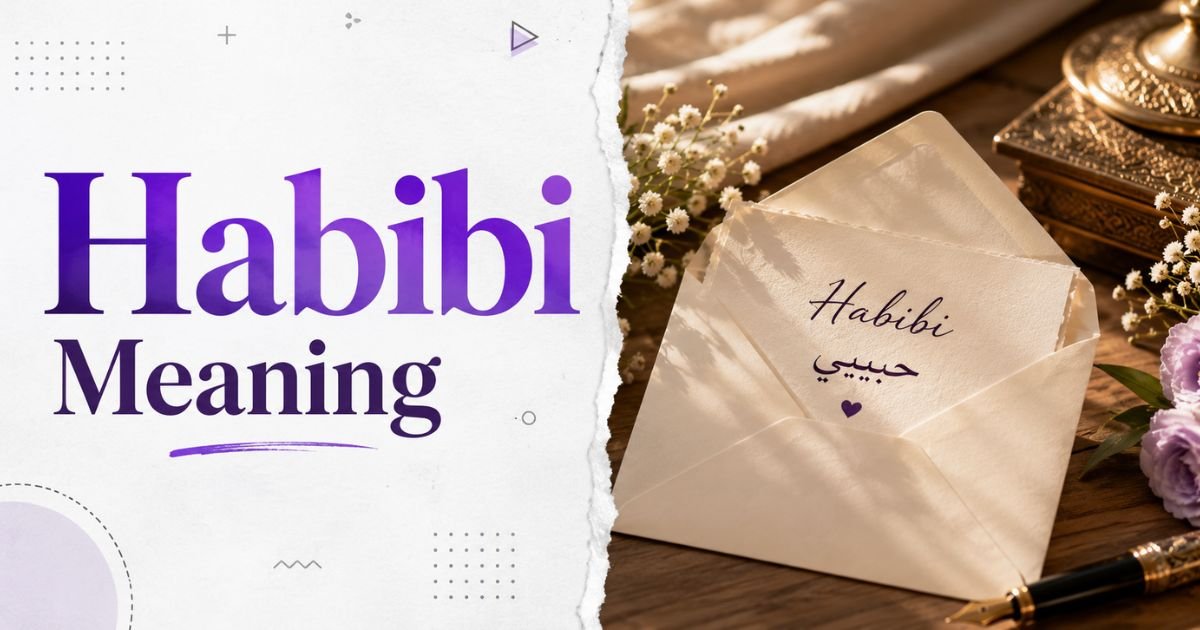
A single word can serve as a bridge between diverse cultures and evoke intense emotions. “Habibi,” meaning “my beloved” in Arabic, is more than just a term of endearment; it’s a window into the rich tapestry of love and relationships within Arab culture.
In this article, we’ll reveal the various layers of habibi meaning, demonstrating its importance in fostering connections both near and far. You will grasp the nuances of the word and also appreciate its role in enhancing human interactions across the globe in the end.
Habibi Meaning Quick Answer
You might hear this word often when listening to Arabic speakers. This term means “my love” or “my dear,” and it’s used to show strong feelings. People use it not only for romantic partners but also for friends and family. It adds a warm touch to conversations and makes relationships feel closer.
You can call someone “habibi” when you want to express love or care. This affectionate nickname brings a smile and creates a bond. It shows that you think of the person as special and important to you.
What Does Habibi Mean in Texting?
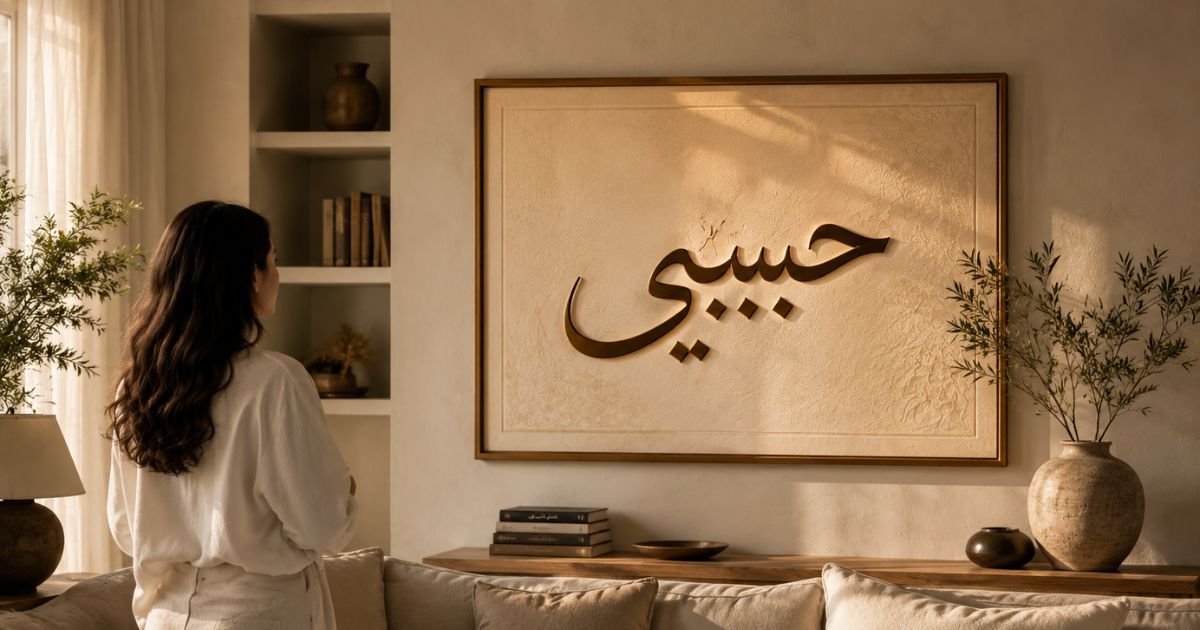
You might see this word in your friends’ texts. It means “my love” or “my dear” in Arabic. People often use it to show warmth and care. You can call someone special when you want to add a sweet touch to your messages.
For example
If you’re texting your best friend after a tough day, you might say, “Hey habibi, I hope you feel better soon!”
You can also use it in a funny way. It can lighten the mood during a serious conversation or make someone laugh. The tone can change based on how you use it.
For example
If you want to tease your bro, you might say, “You forgot my birthday, habibi!”
Full Form & Short Meaning of Habibi
You might wonder what it means. This Arabic word is a term of endearment that translates to “my beloved” or “my dear.” It shows affection and care. People often use it in conversations with close friends or loved ones, regardless of whether they are male or female.
You’ll also find it on social media, where people express their feelings or appreciation. There’s also “habibti,” which is the female version.
For example
You might text your friend, “Hey habibi, how are you?”
Also Read: Carino Meaning: Definition, Usage, And Simple Examples
Where the Word Habibi Comes From
You might hear the word it often in songs or movies. This word comes from the Arabic language and means “my beloved.” I find it beautiful how a simple word can carry so much love and warmth.
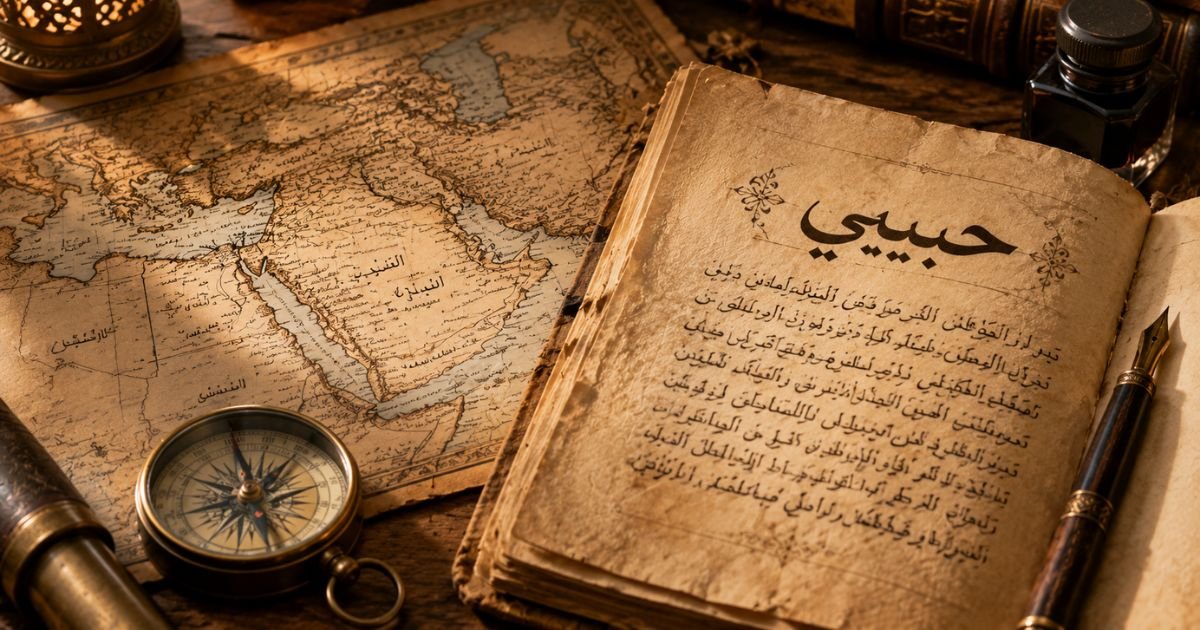
This word from the root word “hubb,” which means love. This connection shows how important love is in Middle Eastern culture. Different places have their own ways of using it. In Egypt, people use it in everyday conversation, while in Lebanon, it can sound more playful.
Gulf Arabic often uses the word too, but with a twist. They might say “habibti” for females, adding a gentle touch.
For example
In Egypt, you might hear a friend say, “Habibi, come over!”
Habibi Parts of Speech and Tone
Words can change how we connect with others. When we use nouns, they help us name people, places, or things. A warm expression can turn a simple noun into something special. For example, calling someone “habibi” instead of just their name creates closeness.
For example
“Habibi, can we grab a coffee together?”
An affectionate tone makes our message feel loving. Casual tones work well too. They make conversations feel relaxed.
Habibi Spelling Variants
I find it interesting how little changes can make a word feel so different. Some people spell it as “habeebi,” while others prefer “habiibi.” These variations come from how we feel about the word and the connection we want to share.
For example
Many use “habeeb” for a more traditional feel.
You may also see “habibe” or “habibty,” which add a sweet touch when talking to someone special. Each spelling carries its own flavor, letting us express love in unique ways. It shows how beautiful language can be, allowing everyone to find their own favorite way to say “my dear.”
Also Read: Purple Ribbon Meaning: What It Means And When To Use It
How People Use Habibi
You might see people using it as a fun way to greet each other. They say it like a casual greeting among friends or even in a light-hearted conversation. You can feel the warmth in that simple word, making it perfect for all kinds of relationships.
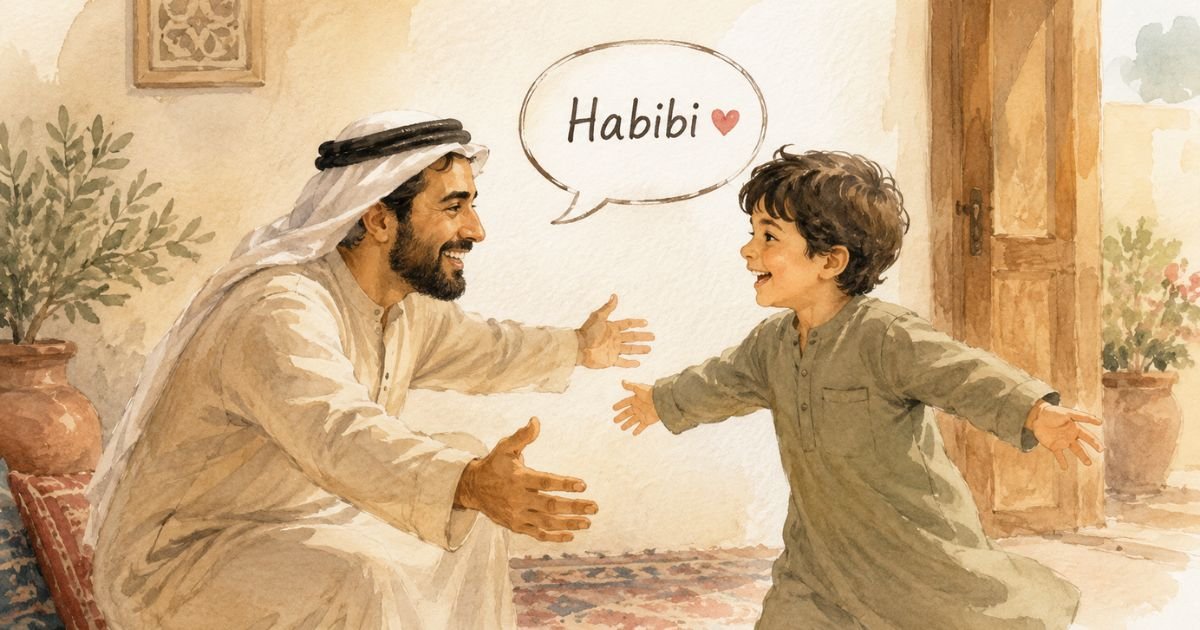
For example
A friend might text you, “Hey Habibi, ready for our next adventure?”
Some use it as a flirty nickname, adding a touch of charm to their conversations. It feels sweet and special when someone calls you that.
For example
A couple might say, “Good morning, my Habibi! You make my day brighter.”
Others use it as a family nickname, showing love and affection in a caring way. It brings everyone closer together.
For example
A parent might call their child, “Come here, Habibi, let’s have fun!”
When to Use Habibi and When Not to Use It
You can use it with friends or someone you care about. It shows warmth and affection. If you share a close bond, it adds a special touch to your conversations.
For example
You might say “Habibi, let’s grab lunch!” to a good friend.
Avoid using it in formal or professional settings. It can come off as too casual and may not be respectful in those contexts. You should also think twice before using it with someone you just met.
For example
Saying “habibi” to a new coworker might make them uncomfortable.
Habibi Common Contexts and Examples
You may often see it in different settings. I love how it fits nicely in various conversations. It adds warmth and friendliness, whether you’re texting your partner or chatting with friends. You might send a couple text and say, “Habibi, can’t wait to see you later!”
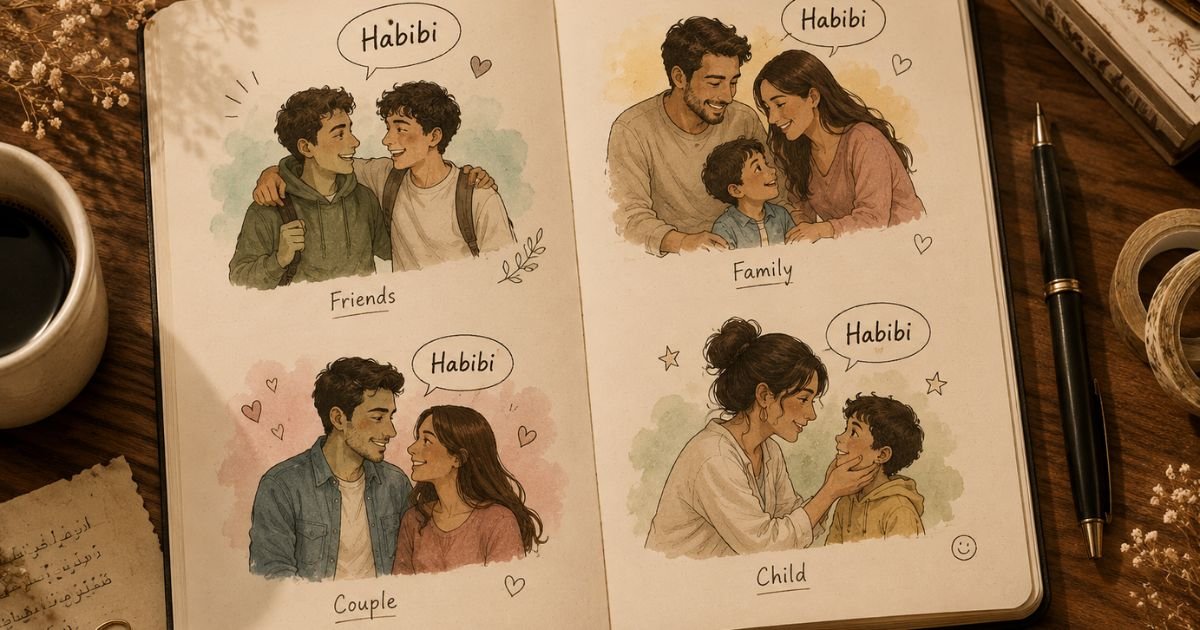
You will also hear it in family conversations. It brings a sense of love and connection. You could be chatting in a family group chat, and it feels like a hug through the screen. This word can also pop up in gaming chats, making it fun and inviting for teammates.
For example
“Hey team, let’s get this win, Habibi!”
Using it in social media captions can also make your posts more lively. It attracts attention and makes your followers feel the love. You might post a picture with friends and write, “Fun times with my Habibi crew!”
Also Read: GNG Meaning Slang: What It Means In Text, TikTok & Snapchat
Habibi Meaning vs Habibti Meaning
You might wonder what they both mean. “Habibi” is the masculine form used for boys or men. You can say it to a close friend or loved one, and it feels warm and friendly.
For example
“Habibi, how was your day?”
On the other hand, “Habibti” is the feminine form used for girls or women. It’s sweet and caring, showing love and affection. Saying this to a close female friend makes her feel special.
For example
“Habibti, I missed you!”
Both terms come from Arabic grammar, showing how the language uses gender-specific words. Knowing the difference can help you connect better with Arabic speakers and deepen your friendships.
Habibi Related Terms, Synonyms, and Common Confusions
You might hear “habibti” and “ya habibi” a lot in conversations. These terms show love and affection. “Habibti” is a feminine term, while “ya habibi” is used for males. Both can make someone feel warm and special.
I often notice people mix up “yalla” with these loving phrases. “Yalla” means “let’s go” or “hurry up.” It’s more about action than affection. “Wallah” often confuses people, too. It means “I swear by God” and adds seriousness to a statement.
You might also come across “inshallah,” which means “God willing.” It shows hope for the future. Some might wonder why these Arabic pet names like “habibti” and “ya habibi” are so popular. They add a personal touch to conversations, making them feel cozy and endearing.
Habibi vs Similar Slang
I often hear this term and wonder how it compares to other slang we use. You might call your close friend “bestie” or your partner “bae.” Each word shows a special bond, but they come from different cultures.
You might use “pookie” when you want to be playful with someone you adore. It’s like saying “babe,” which feels sweet and intimate, too. “Darling” feels classic, showing affection and care. Meanwhile, “shawty” has a cool vibe, often used to address someone you find attractive.
Each word has its own flavor, but all express love and connection.
For example
You could say, “Hey, pookie, let’s grab dinner tonight!”
We show different sides of our relationships and emotions by using these words. Each term can deepen your connection, making everyday conversation feel special.
Also Read: Hm Meaning In Text: Clear Definition, Usage, And Examples
Habibi Common Mistakes
Many people make common mistakes when using this word. One big issue is gender mix up. “Habibi” is often used for males, while “habibti” is the right term for females. Mixing these up can sound funny but may also confuse or upset someone.
For example
Calling a female “habibi” can come off as disrespectful.
Another mistake is using it in the wrong context. Some folks toss it around too casually, even in situations where it doesn’t fit. This overuse can make the term lose its special meaning.
For example
Using “habibi” to greet a stranger at a store sounds strange and may feel awkward.
Many people have an ironic misuse of the term, thinking it adds humor. This can muddy the real sentiment behind the word. It’s better to use it genuinely and thoughtfully.
Conclusion
You might wonder about the real habibi meaning. This term feels like a warm hug.People use it to show love and affection. You hear it in songs, movies, and everyday conversations. It connects friends, families, and couples in a special way.
FAQs
What Does Habibi Mean on TikTok?
You’ll usually see it used for comedy, couple content, and meme edits, since TikTok is where the word went globally viral.
What Does Habibi Mean From a Guy?
You can take it as affection, friendship, or light flirting, the exact meaning depends on your relationship with him and the tone of the message.
What Does Habibi Mean in Text?
You can read it as “my love,” “my dear,” “bro,” or “bestie,” depending entirely on the context of the conversation.
Is Habibi Only Used in Arabic Culture?
You’ll find it’s now used worldwide, especially by Gen Z creators, gamers, and meme accounts who aren’t native Arabic speakers.
Is Habibi Offensive?
You can use it safely in most cases, it’s generally seen as warm and respectful, though tone and context still matter.
Does Habibi Always Mean “My Love”?
You shouldn’t assume that. It often just means “friend” or “dear one” depending on who’s saying it.