No Cap Meaning: Slang Definition, Origin & Real Life Examples
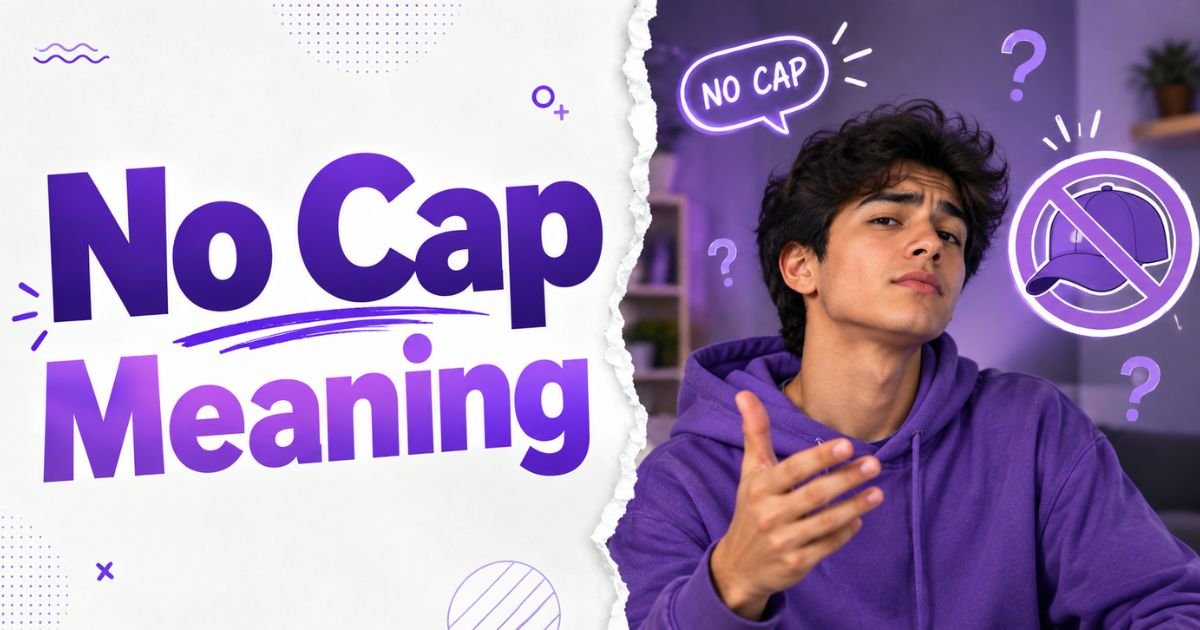
No cap is quickly becoming one of the most essential phrases in modern slang. It’s a trendy way to emphasize honesty while dismissing any exaggerations or lies implied by the opposite term, “cap.”
In this article, we will explore the no cap meaning and its widespread use in texting, social media conversations, and beyond. As you read on, you’ll get practical no cap examples and learn how this catchy phrase has captured the attention of TikTok users everywhere.
What Does No Cap Mean in Texting?
It has emerged as a go-to phrase for expressing sincerity and straightforwardness. This informal slang is commonly used in casual conversations, serving as a verbal cue that what follows should be taken at face value.
For example, a text like “I’m really impressed with your work, no cap,” implies genuine appreciation without any fluff or embellishment.
The phrase is particularly popular among younger generations, adding a layer of authenticity to their interactions. It’s a way to cut through the noise, making the message clearer and more relatable.
What Does No Cap Mean on TikTok?
This has become a popular in captions, comments, and even the dialogue of many videos. It signifies that the speaker is being completely honest or straightforward like saying “no lie” or “for real.”
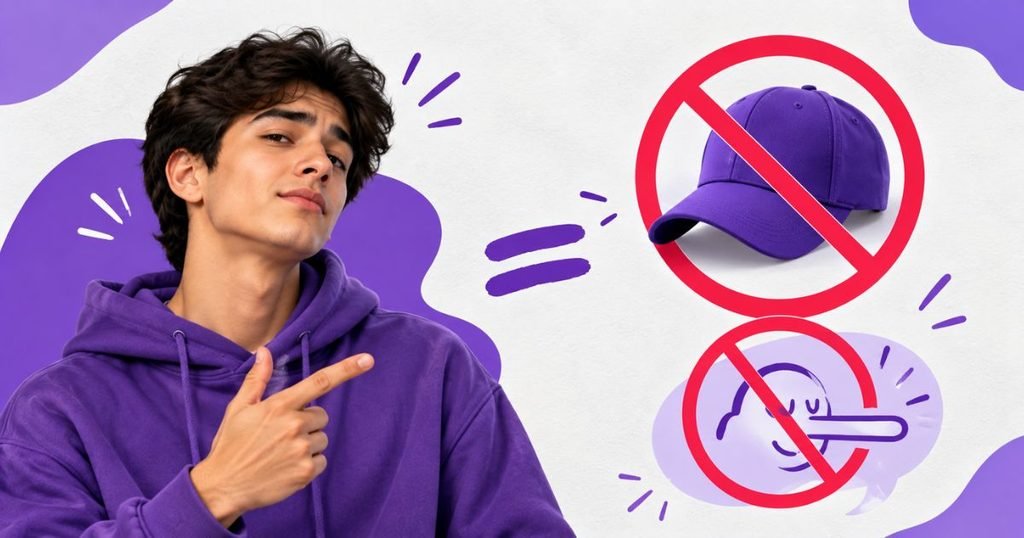
This casual internet slang is a way for TikTok users to foster a genuine connection with their viewers. You might see it in relatable content or humorous skits, often paired with visuals that make the statement even more impactful.
An example could be a user showing off a new talent, declaring, “This is my first try, no cap!” This not only adds credibility but also creates a bond of trust with the audience, making them feel privy to a behind-the-scenes truth.
What Does Cap Mean in Slang?
At its core, “cap” refers to a lie or an exaggeration. When someone says “you’re capping,” they’re essentially calling out the other person for speaking untruths or stretching the truth. This usage has permeated social media platforms, making it a popular term among younger demographics and fostering a playful culture around truthfulness.
Phrases like “no cap” have emerged as affirmations of honesty, contrasting sharply with the dishonesty implied by “cap.” Individuals can emphasize their sincerity by saying “no cap”, indicating that what follows is genuine.
This juxtaposition provides a fun yet incisive way to navigate discussions about authenticity in a world where embellishment is all too common.
No Cap Meaning in Social Media
When someone uses “no cap” on platforms like Instagram, they’re emphasizing their authenticity. It’s a way to cut through the noise and signal to followers that what they’re saying is real, often used in captions, comments, Stories, or even DMs to underline sincerity.
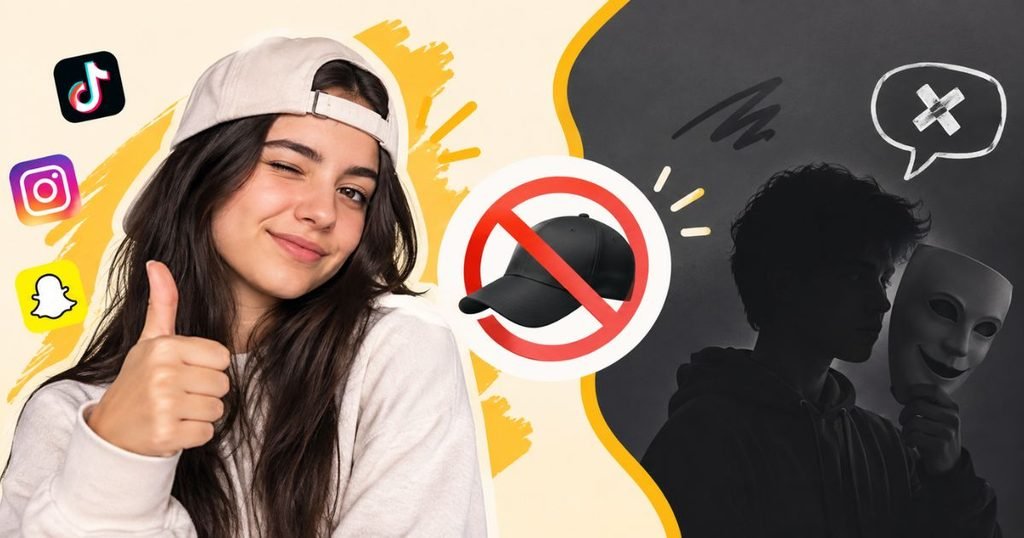
On Snapchat, this phrase takes on a more casual vibe, popping up in chats and posts as friends share everyday experiences or opinions. Here, “no cap” assures friends that there’s no exaggeration or formality involved.
Meanwhile, on X, users utilize “no cap” to bolster the genuineness of their statements, helping to establish credibility in discussions.
How to Use No Cap in a Sentence
People often invoke “no cap” to assure listeners that what they’re stating is honest and straightforward, cutting through the ambiguity of casual conversation. You might say, “No cap, that movie was the best I’ve seen all year!”
When incorporating “no cap” into your dialogue, it can seamlessly fit at various points in your sentences. For example, in texting, you might say, “I’m really tired today, no cap,” or even lead with it: “No cap, I actually enjoy studying on weekends.”
The placement can vary for a natural flow, whether you choose to insert it in the middle or save it for the end. In social media, a post could read, “Just got my dream job, no cap, I can’t believe it!”
No Cap Examples
Using this slang in casual conversation adds a layer of authenticity that resonates well with today’s youth. Here are some clear examples that can enrich your everyday dialogue:
- In conversations: “I’m telling you, that movie was amazing, no cap!”
- Texting: “Just aced the test, no cap. Gonna celebrate tonight!”
- TikTok captions: “This outfit is fire, no cap.”
- Everyday life: “I really enjoyed that restaurant, no cap. Best food I’ve had in a while.”
- Chit-chat with friends: “That concert was lit, no cap. We need to go again.”
Where Did No Cap Come From?
The phrase finds its roots in African American Vernacular English (AAVE), emerging as a way to assert honesty and authenticity. The term “cap” itself, meaning to lie or exaggerate, has origins intertwined with urban culture, evolving through conversations and music within Black communities.
As hip-hop artists began using “no cap” in their lyrics, a bridge was formed between the phrase and a broader audience, inviting listeners to embrace its meaning as a declaration of truth. The expression gained traction in the late 2010s, particularly through social media platforms where viral trends elevate slang.
Artists like Young Thug and Lil Uzi Vert were pivotal in popularizing “no cap,” integrating it into their songs and making it resonate with younger generations.
No Cap vs Cap: What’s the Difference?
No cap and cap stand out as two prominent expressions, each carrying its own weight in conversation. When someone says “no cap,” they are essentially asserting honesty, honesty that cuts through the noise, it’s their way of communicating that they aren’t exaggerating or misleading you.
For example, if a friend claims, “I just ran five miles, no cap,” they’re emphasizing the truthfulness of their statement. Cap refers to a lie or an exaggeration, often used to call someone out on their untruths.
If someone claims, “I can bench press 400 pounds, cap,” they’re indicating that this statement lacks credibility. These terms are especially potent in today’s digital age, where authenticity is highly valued.
When discussing wild stories or outrageous claims, you might encounter someone saying, “He finished that whole pizza, cap!” Here, the speaker signals skepticism about the claim, providing clarity in a light-hearted manner.
Is No Cap Still Used?
This phrase continues to thrive in today’s slang, embodying authenticity and straightforwardness across various social interactions. Its core meaning, emphasizing that one is being genuine or truthful, remains intact, and it resonates particularly well among younger generations.
It has transcended its original confines, adapting to numerous contexts while maintaining its appeal. Influencers and everyday users alike employ the term to denote sincerity, often in humorous or light-hearted scenarios.
As we navigate 2026 and beyond, the phrase is unlikely to fade; instead, it may metamorphose or integrate into new vernaculars while illustrating a commitment to authentic communication.
Related Slang Terms
Diving deeper into the world of slang reveals a treasure trove of related expressions that enrich our digital communication.
For instance, if you find “highkey” intriguing, you might want to explore its nuanced applications further. Highkey means something is openly or obviously true, almost like the antithesis of “lowkey.”
If you’re scratching your head over GTS meaning in text, it’s a playful way of saying “got to sleep,” a helpful shorthand when you’re sending those late-night messages. Similarly, WSG meaning in chat serves as a casual opener, inviting interaction with a simple “what’s good?”
For those who want to join the conversation about what it means to be “in the know,” our breakdown of IYKYK meaning in text can provide excellent context. You might also find ATP meaning in texting particularly useful when you want to convey urgency anyone would understand that “at this point” carries weight in a discussion!
FAQs
Is “No Cap” Formal or Informal?
The term “no cap” is an informal slang expression primarily used in casual communication, especially among younger demographics. It means “no lie” or “I’m being serious,” signaling that the speaker is being honest about what they’re saying.
What Is Another Word for “No Cap”
It is a popular slang term that means “no lie” or “honestly.” If you’re looking for alternatives, consider phrases like “for real,” “no joke,” or “deadass.” These expressions capture the same casual, straightforward essence and are frequently used in similar contexts among peers.
Is “No Cap” a Good Thing or a Bad Thing?
It is generally viewed as a positive or neutral expression, particularly in informal contexts. Originating from hip-hop culture, it signifies honesty and authenticity. When someone says “no cap,” they’re emphasizing that they’re being truthful or serious, which can foster trust and clarity in conversations.